Get personalized guidance on business insurance Calgary companies trust, from experienced insurance brokers. Compare options and request a quote today.
If you run a business in Calgary, commercial insurance is one of the most practical ways to protect contracts, cash flow, and reputation as you grow. As Alberta’s economic engine, Calgary is deeply rooted in the oil and gas sector, and we recognize how central energy production, oilfield services, and supporting industries are to the region. Whether you are an oilfield service provider, an energy consultant, or a local support business, your insurance needs to reflect the unique scale and regulatory environment of Alberta.
We support Calgary businesses with a full range of commercial and business insurance solutions, including Commercial General Liability, Professional Liability and E&O, Cyber Liability, Commercial Property, Surety and Bonding, and specialty coverage such as Pollution Liability, Equipment Breakdown, Drone Insurance, Oil and Gas Company Insurance and more. You get clear guidance on what to buy first, what to add next, and how to align limits and deductibles based on your contracts, industry, and operations. Calgary’s economy spans sectors like energy and environment, technology, transportation and logistics, financial services, and more, so insurance coverage needs to vary widely by business model and risk exposure.
Start with Commercial General Liability and Commercial Tenant Insurance so you can meet lease requirements, provide a clean Certificate of Insurance, and protect against everyday customer or visitor incidents.
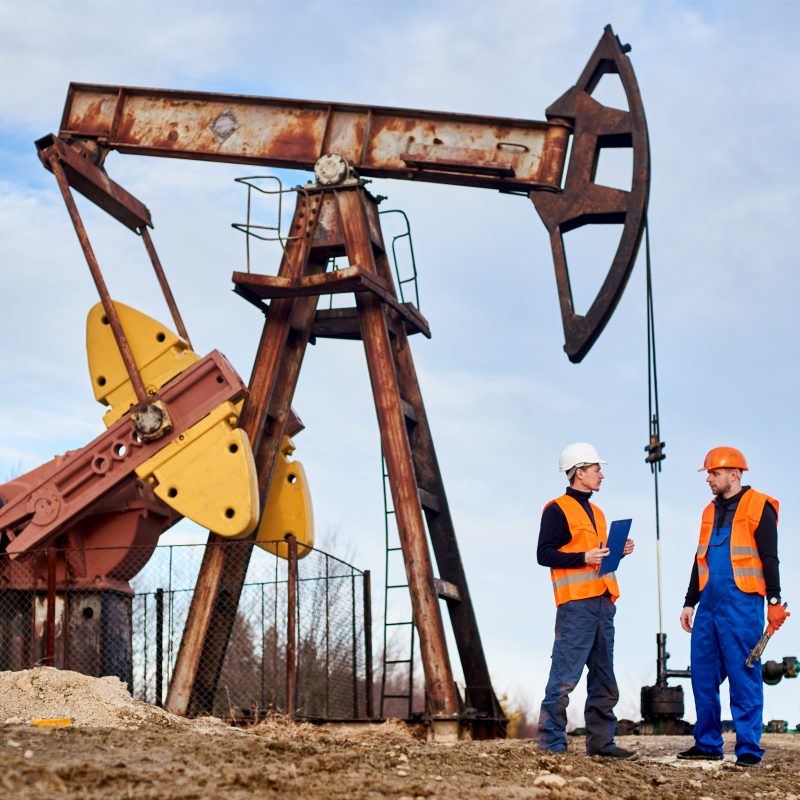
For oil and gas, adjacent operations, on-site risks can include heavy equipment use, hazardous materials, remote work locations, and contractor coordination. Insurance Coverage should reflect these higher-risk environments.
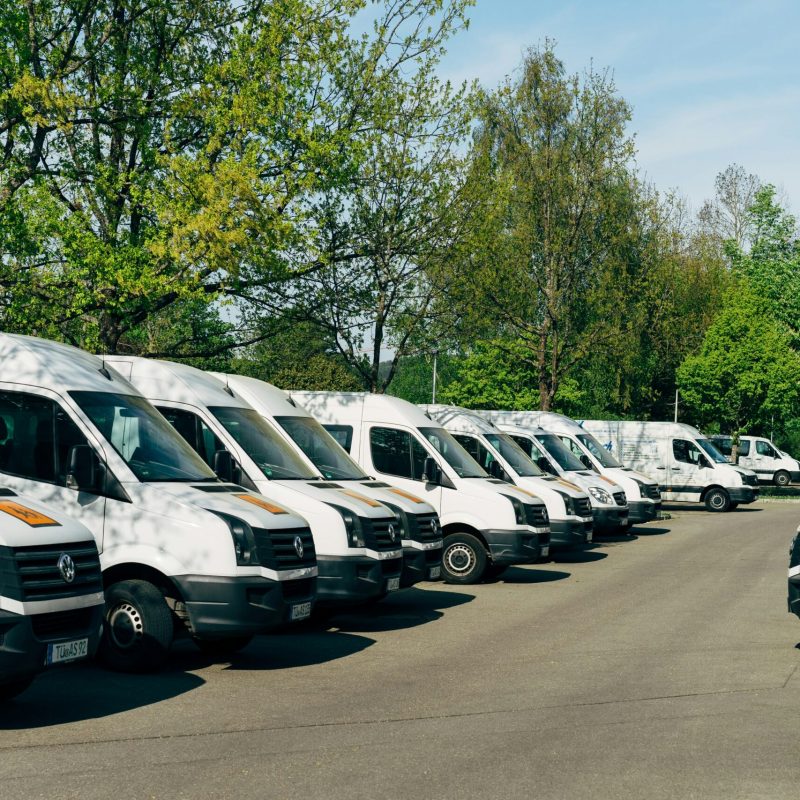
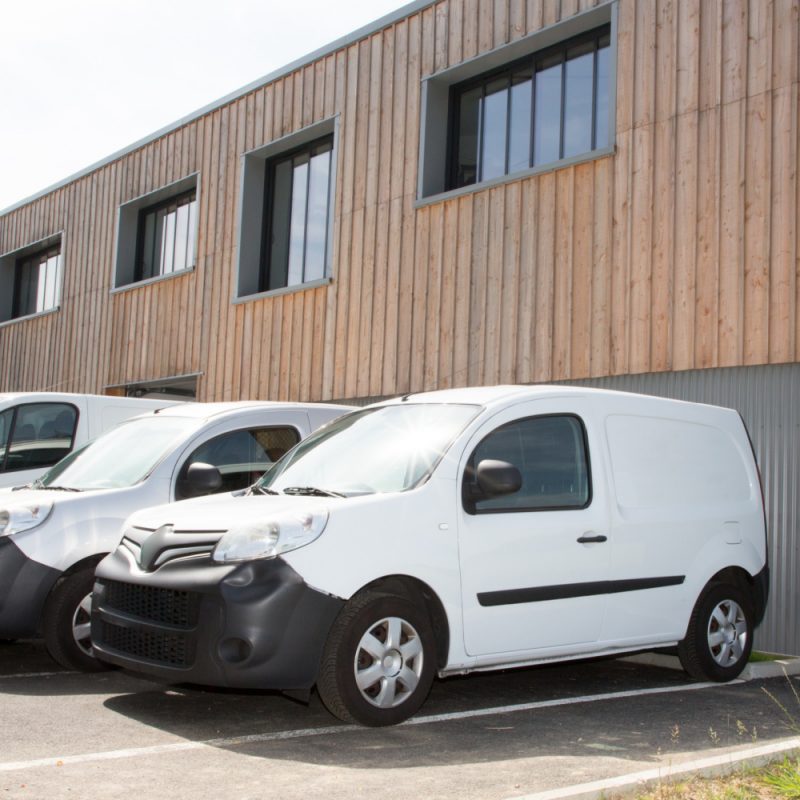
Add Commercial Auto Insurance so your vehicle use is insured properly for business activity, not personal driving assumptions. This is especially critical for oilfield service vehicles, crew transport, site visits, and contractor fleets common across Alberta’s energy sector. In Alberta, drivers must carry valid auto insurance to register a vehicle, and commercial vehicles still need to meet the province’s required minimums.
Choose a Small Business Insurance package to cover the essentials in a simple structure that is easier to manage as you grow.
Combine Product Liability Insurance with Commercial Property Insurance to protect against product related claims and protect inventory, equipment, and business contents. If goods move internationally or you ship high value items in transit, add Ocean Marine Insurance.
Lead with Professional Liability Insurance and E&O so your business is protected if a client alleges your work caused financial loss. If you have directors, investors, shareholders, or executive decision making exposure, add Directors and Officers Liability Insurance.
Get Cyber Liability Insurance to address breach response, investigation, legal support, and interruption costs. Pair it with Crime and Fidelity style protection to reduce exposure to employee dishonesty and funds transfer fraud scenarios.
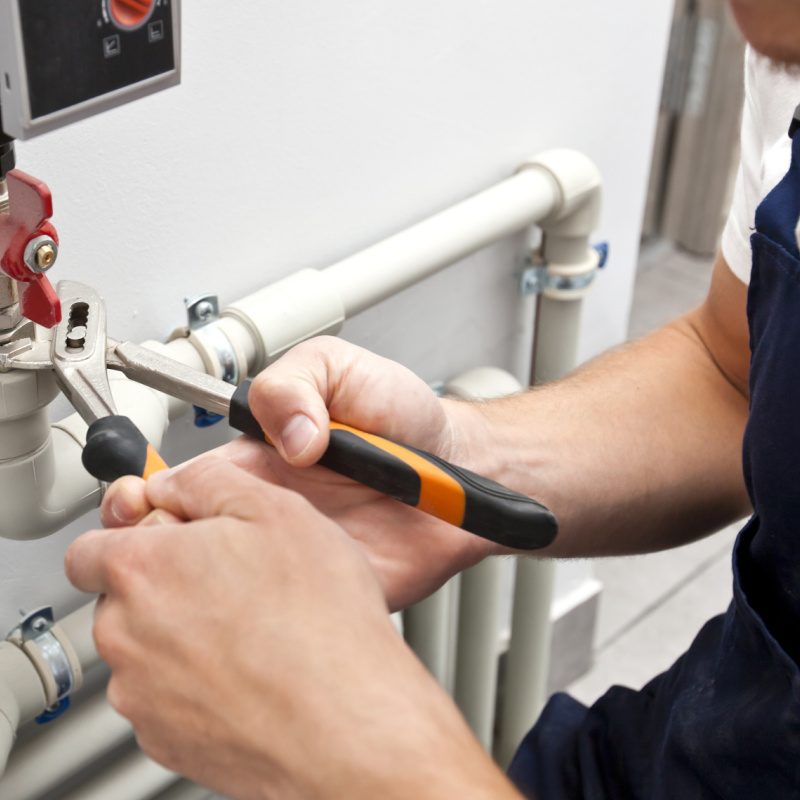
Add Equipment Breakdown Insurance so a sudden mechanical or electrical failure does not turn into a major repair bill and extended downtime.
Use Pollution Liability Insurance to address environmental liability gaps that standard policies commonly leave behind, including cleanup costs, third-party claims, and regulatory exposure. This is a core consideration for oil and gas contractors, fuel handling operations, and energy-adjacent services in Calgary and across Alberta.
Secure Surety and Bonding Insurance so you can meet bid, performance, or compliance requirements without delays. Energy-sector contracts frequently require bonding, additional insured wording, and specific limits tied to project scope and environmental exposure.
Put Construction Insurance in place to match job site reality including project liability, tools, materials, and construction specific requirements.
Get Cannabis Insurance built for cannabis specific operational risks and a limited insurance marketplace.
Add Drone Insurance for commercial drone liability and equipment risk that standard policies often do not address well.
Put Kidnap and Ransom Insurance in place so your business has expert response support and financial protection for covered events.
Use Representations and Warranties Insurance to reduce post close liability friction and protect against covered issues tied to deal representations.
Protect cash flow with Trade Credit and Accounts Receivable Insurance so a major non payment event does not become a liquidity crisis.
Build with Embedded Insurance to offer relevant coverage at the moment of purchase and reduce friction for customers.
Commercial General Liability helps protect your business if a third party alleges bodily injury or property damage connected to your premises, operations, products, or completed work. This is often the baseline coverage landlords, vendors, and clients expect to see in Calgary.
If you lease space, your landlord may require proof of insurance before moving in. Tenant focused insurance coverage supports common lease obligations tied to liability and tenant legal responsibility for certain types of property damage. This also supports renters insurance that Calgary needs for business tenants where the lease requires proof of coverage (without implying a personal policy is the same as a commercial tenant setup).
If your business provides advice, consulting, design, marketing, IT services, accounting support, engineering services, or other professional work, Professional Liability and E&O protects against allegations that your work caused a client financial loss.
If you store customer data, process payments, or rely on cloud tools, cyber risk becomes a business risk. Cyber insurance helps address breach response, business interruption, and related legal and notification expenses.
Commercial Property Insurance helps protect buildings, contents, equipment, and inventory from covered causes of loss. In Calgary, severe weather can be a real driver of property related claims, so it is important to align coverage and deductibles with your actual exposure.
If vehicles are used for deliveries, service calls, transporting tools, or sales activity, commercial auto insurance in Calgary protects the business against losses that personal auto coverage may not handle appropriately for business use. Alberta requires valid auto insurance to register and operate vehicles, with a minimum third party liability requirement.
If you want a simpler way to cover core risks, a small business insurance package can combine vital protections into one structure that is easier to maintain as your business grows.
Bonds support contract requirements by providing a financial guarantee tied to performance or obligation. If a Calgary client requires bonding to award work, getting this in place early helps you compete and close deals faster.
If your work involves environmental exposure, chemicals, fuel, or certain contractor operations, Pollution Liability helps address exposures that standard liability policies commonly exclude.
If your goods move between locations, ship internationally, or travel through third party logistics networks, Ocean Marine coverage helps protect what is in transit.
Many Calgary operations involve service vehicles, sales travel, deliveries, or fleets. If the vehicle is used for business, a commercial auto insurance coverage is the right starting point to avoid mismatches between real use and policy assumptions in Calgary. Alberta’s regulator also notes the market is competitive, with many insurers offering coverage for private passenger and commercial vehicles, which is why comparing options matters.
In Calgary, industries like oil and gas, energy services, environmental consulting, transportation and logistics, and technology often involve vendor onboarding, project contracts, and third-party requirements. Energy-sector contracts frequently specify higher liability limits, environmental endorsements, bonding, and strict COI wording. This is where clean COIs, clear limits , and the right add-ons (pollution liability, E&O, bonding) make it easier to close work without last-minute delays.
Business insurance needs can vary across areas like Downtown Calgary, Beltline, Kensington, Inglewood, Foothills Industrial, Southeast and Northeast industrial zones, depending on contractor activity, vehicle use, warehousing, and oilfield service operations tied to regional energy infrastructure. The goal is not to over-insure, it’s to match coverage to how and where you operate.
When you work with us, you get an insurance broker who helps you think through real day to day risks, contract requirements, and the fastest path to being properly covered. We ask the right questions, review what clients and landlords actually require, and turn that into a clear coverage plan you can use for quotes, Certificates of Insurance, and renewals. This is the difference between simply buying a policy and building a practical insurance program that supports growth.
The Problem: Busy customer traffic increases small incident risk, and shrink can quietly eat into margins, especially during seasonal rushes.
Our solution: We help you structure a clean liability foundation for a customer facing store, then walk through how inventory, cash handling, and theft risk show up in your real workflow so the coverage matches how you operate.
The Problem: One equipment failure can stop production, spoil ingredients, and wipe out a full day of revenue.
Our solution: We identify the equipment you cannot operate without, talk through what downtime really costs, and build a recovery focused plan that helps reduce the financial shock of shutdowns.
The Problem: Scope changes, timeline pressure, and decision disputes can turn into allegations of errors, omissions, or missed expectations.
Our solution: We align coverage to how you actually deliver projects, including proposals, change orders, and subcontractor use, and we help you reduce grey areas in documentation that often cause disputes.
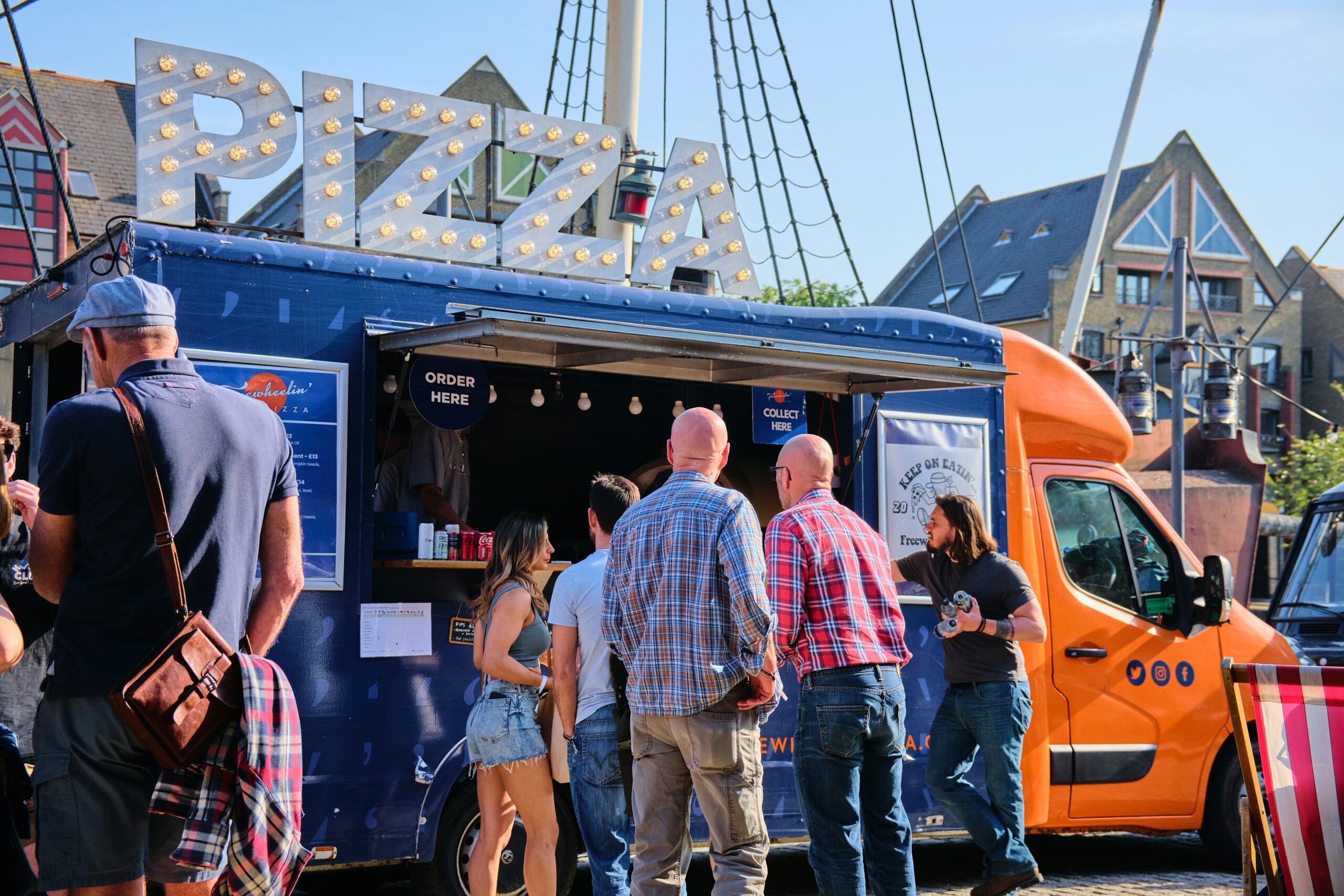
The Problem: Events concentrate liability into a short window, and deliveries add vehicle exposure.
Our solution: We build coverage around your event workflow from setup to service to teardown, and we help you stay ready for venue COI requests so you are not scrambling right before an event.
The Problem: Tight aisles, rotating inventory, and high foot traffic can increase incidents and loss exposure.
Our solution: We keep your liability plan straightforward and practical, then talk through how to approach inventory handling and the most common loss scenarios seen in resale operations..
The Problem: Your business runs on the road, and a breakdown can end service mid shift.
Our solution: We build a plan that reflects vehicle use, equipment dependence, and where you operate day to day, and we help you understand what details keep claims and repairs moving when time matters.
The Problem: Customer incidents, payment system exposure, and equipment downtime can hit operations fast.
Our solution: We help you prioritize coverage around your highest traffic points, your technology dependencies, and the equipment that keeps sales moving. We also help you avoid gaps that show up when operations change, like adding delivery, catering, or online ordering.
The Problem: Decisions can be challenged, and disputes can become time consuming and costly to defend.
Our solution: We tailor coverage around the professional work you do and the documentation you rely on. We also help you think through data handling and process controls so your insurance plan matches your actual workflow.
The Problem: Allergies, skin reactions, and service complaints can escalate quickly, even when you do everything right.
Our solution: We set up coverage that fits a customer facing service environment and talk through practical risk habits like intake forms, patch tests when relevant, product tracking, and incident documentation so you are better prepared if something goes wrong.
The Problem: Advice disputes, cyber exposure, and fraud attempts often target businesses that handle financial and client data.
Our solution: We help you build a layered plan that matches your true exposure, and we pressure test real processes like documentation, client communication, and payment instruction controls.
The Problem: Performance expectations and scope can blur, and disputes can turn into claims about financial loss.
Our solution: We align coverage to the way you sell and deliver work, including retainers, statements of work, reporting, and subcontractor arrangements. We also help you tighten up the contract and documentation habits that reduce misunderstandings.
The Problem: Higher value inventory and product related allegations can create sudden, expensive losses.
Our solution: We help you protect the parts of the business that are hardest to replace, inventory, displays, and customer facing operations. We also talk through how deliveries, assembly, and returns affect your risk profile and coverage needs.
The Problem: Service allegations and sensitive client information create both professional and privacy risks.
Our solution: We structure coverage around the type of services you provide and how you store and share client information. We also guide you on the kinds of client forms and documentation practices that support you if a dispute arises.
The Problem: Errors and omissions exposure sits alongside fraud risks tied to payment instructions and client communications.
Our solution: We build coverage for the professional side of your work and help you think through common fraud scenarios, what controls you have, and what would make a claim easier to resolve if something happens.
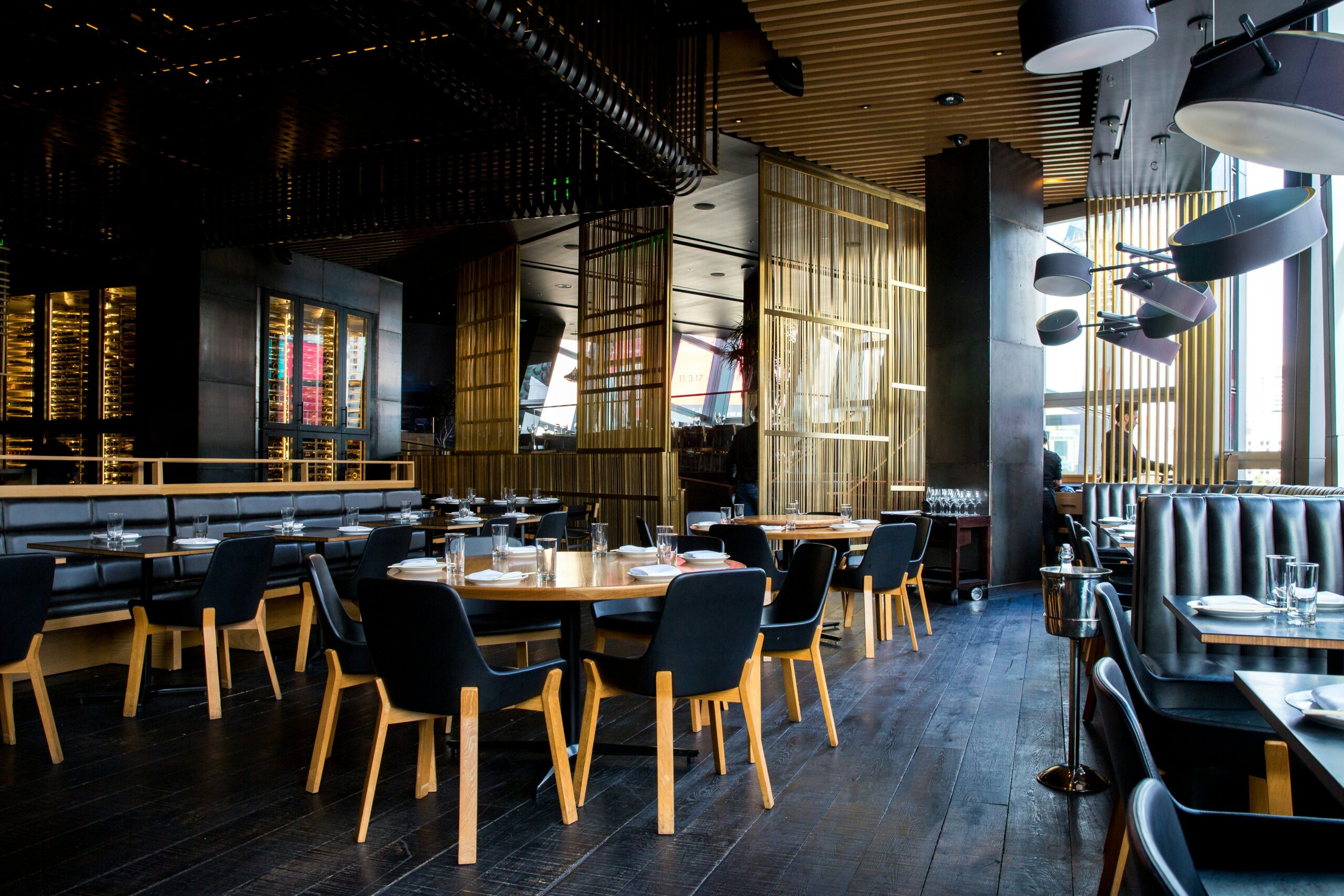
The Problem: Higher foot traffic, more complex operations, equipment dependence, and sometimes deliveries create multiple risk points.
Our solution: We help you organize coverage around the realities of your operation, front of house risk, kitchen equipment reliance, and operational changes through the year. We also help you stay ready for landlord and vendor requirements so you can keep moving.
The Problem: When pets are in your care, even a minor incident can become a serious allegation.
Our solution: We structure coverage around how you handle pets, where services take place, and what your client agreements say. We also help you think through incident reporting, intake information, and service boundaries that reduce disputes.
The Problem: Reactions, dissatisfaction, and customer injury allegations can happen in any service business.
Our solution: We help you set up coverage that fits your service model, then we walk through practical risk steps like consent forms, product tracking, and how to document incidents so you are not starting from zero if a claim appears.
The Problem: You work on client property, and many clients require proof of insurance before onboarding.
Our solution: We build coverage around the environments you work in and help you stay ready for Certificates of Insurance and contract requirements. If you travel between sites, we factor that into the plan so your coverage matches your day to day schedule.
The Problem: Professional liability exposure, contract requirements, and project risk can be complex and highly specific.
Our solution: We break down your contracts and deliverables, then align coverage to the work you actually perform. We also help you plan for situations where bonding or specialty coverage is required so you do not lose opportunities due to paperwork delays.
The Problem: Clients depend on performance, uptime, and deliverables, and disputes can follow outages or missed expectations.
Our solution: We align coverage to your contract structure, service commitments, and data handling practices. We also help you think through how you scope projects and document changes so the insurance plan fits the reality of development work.
The Problem: Long hours, steady customer traffic, and theft exposure create consistent day to day risk.
Our solution: We help you set up a clean liability foundation for customer facing operations and talk through the kinds of loss scenarios that can hit convenience retailers. You get a plan that fits your operating hours, staffing, and security setup.
The Problem: Property damage exposure and vehicle use between sites can create costly incidents.
Our solution: We build coverage around the tools you use, where you work, and how crews move between locations. We also help you stay ready for contract requirements with commercial clients so you can start work without delays.
The Problem: Advice disputes and documentation challenges can arise if a valuation is questioned.
Our solution: We align coverage to the professional nature of your work and how you document decisions. If you use technology like drones for inspections, we factor that into the plan so your coverage reflects your real workflow.
The Problem: Job site incidents, property damage allegations, and contract requirements including bonding can be hard to juggle.
Our solution: We build coverage around how you operate on site, the types of projects you take on, and what contracts require. We also help you plan ahead for proof of insurance and bonding needs so projects do not stall at the paperwork stage.
The Problem: Participant injury exposure and instruction related allegations can happen even with waivers and strong practices.
Our solution: We structure coverage around how participants use your space, what instruction you provide, and the activities you offer. We also help you think through incident reporting and participant documentation so you are prepared if an issue arises.
Share your industry, services, where you work, and how you deliver your work in Calgary.
Revenue, payroll, vehicle details, subcontractor use, and claims history.
Certificates of Insurance, additional insured requests, required limits, and any special clauses.
We review coverage scope, exclusions, deductibles, and fit for how you operate.
Once placed, you can streamline future COI requests and plan for renewal early.
You get a practical roadmap for what to buy first and what to add as your business grows.
We help translate insurance requirements into the right policy structure, limits, and wording.
Your coverage is designed around how you actually work, not generic assumptions.
When timelines are tight, you need brokers who are experts, that move fast and communicate clearly.
Commercial General Liability is typically the first policy to be put in place because it supports common third party claims and is often required for leases, client work, and vendor onboarding. For oil and gas contractors and energy service companies, this foundation often needs to be paired early with Pollution Liability or higher liability limits due to contract and site requirements.
Yes. Oil and gas contractors in Calgary often require specialized coverage beyond standard commercial insurance. This can include Pollution Liability, Contractor’s Equipment, Professional Liability (for engineering or consulting work), Commercial Auto for service fleets, and Surety/Bonding. Energy-sector contracts frequently specify minimum limits, additional insured wording, and environmental endorsements.
Many landlords request proof of insurance before handing over keys, and the paperwork often includes a Certificate of Insurance, additional insured wording, and tenant legal liability requirements. Industrial and yard-based leases used by oilfield service companies may also require higher limits and specific endorsements tied to equipment storage or hazardous materials exposure.
Have your business activities, revenue, payroll, vehicle use, subcontractor details, and any contract insurance requirements ready, then request a quote so the broker can match your risk to the right market.
Business insurance is the umbrella term for insurance a business buys. In many small and mid sized cases, it refers to a bundled starter package like a Business Owner’s Policy (BOP), which commonly combines general liability, commercial property, and business interruption in one policy.
Commercial insurance is the broader industry category (commercial lines) that can include those same basics, plus more customized or specialized coverage. For example, larger or more complex operations may use a Commercial Package Policy that packages property and liability coverages for commercial ventures beyond what a BOP is designed for, and then add stand alone policies such as commercial auto, cyber, professional liability (E&O), surety and bonding, and other specialty coverages as needed.

It is often required by landlords, clients, and vendor contracts even when it is not mandated by law for your specific business type. It is also the most common foundation policy for day to day third party liability exposure.
If vehicles are used for deliveries, service calls, transporting tools, or sales activity, commercial auto insurance is designed for business vehicle use and helps protect the company from liability and repair costs tied to accidents or losses. Alberta requires valid auto insurance to register and operate vehicles, with minimum required coverages set by the province.
There is no single price. Car insurance in Calgary is priced based on risk factors like driving history, vehicle type, coverage choices, and where and how the car is used. Your real price can be meaningfully high or low depending on your profile and coverage selections. If a vehicle is used for business, that also changes what coverage you need.


A Certificate of Insurance is proof of coverage that landlords, clients, and vendors request. It typically includes policy types, limits, and additional insured details.

Tenant insurance cost varies based on the value of your belongings, liability limits, the type of unit, and your deductible. For business tenants, commercial tenant coverage is different and should match the lease requirements for your commercial space.
Most contractors need a liability foundation, and many projects require specific wording, limits, and sometimes bonding. If you operate on job sites, construction oriented coverage should reflect your tools, materials, subcontractor use, and contract requirements.
Yes. If you process payments, store customer information, or rely on systems, cyber incidents can create direct costs and business interruption. Cyber coverage helps address response and recovery expenses.
Commercial property can help protect buildings, contents, equipment, and inventory from covered causes of loss. Calgary has experienced severe hail events that caused significant insured losses, which is why it is important to align deductibles, limits, and coverage details to your actual exposure.
ALIGNED offers hundreds of instant and fully online insurance products while also specializing in traditional business insurance placement which on average takes 2-5 business days depending on complexity, size, information provided etc.
Business insurance needs to specifically align with the risks you face. Get advice, guidance and products that will protect what you’re building now.