Get personalized guidance on the best insurance for your business from dedicated commercial insurance brokers in Cambridge, Ontario. Compare options and request a quote today.
Running a business in Cambridge means balancing growth with real operational risk, from customer traffic and equipment reliance to contracts, deliveries, and subcontractors. Commercial insurance helps protect your contracts, cash flow, and reputation as you scale. Many Cambridge businesses start with Commercial General Liability to meet common requirements, then add coverage based on how they actually operate day to day. Cambridge also has a strong manufacturing base, so coverage often needs to reflect production realities like equipment uptime, warehousing, supplier timelines, and shipping finished goods. We support Cambridge businesses with a full range of commercial and business insurance solutions, including Commercial General Liability, Professional Liability and E&O, Cyber Liability, Commercial Property, Surety and Bonding, and specialty coverage such as Pollution Liability, Equipment Breakdown, Drone Insurance, and more. You will get clear guidance on what to buy first, what to add next, and how to align limits and deductibles by working with an experienced insurance broker who understands how local businesses run. That includes manufacturers and industrial operators who need coverage that matches plant operations, quality control expectations, and contract-driven insurance requirements.
Start with Commercial General Liability and Commercial Tenant Insurance so you can meet lease requirements, provide a clean Certificate of Insurance, and protect against everyday customer or visitor incidents. For manufacturing and warehousing operations, this often also means aligning coverage to your unit’s build-out, stored materials, and landlord requirements tied to industrial occupancy.
Add Commercial Auto Insurance to protect the business from repair, replacement, and liability costs tied to accidents, theft, or vandalism when vehicles are used for business use. This is especially relevant for manufacturers moving inventory between suppliers, warehouses, job sites, and customer locations.
Choose a Small Business Insurance package to cover the essentials in a simple structure that is easier to manage as you grow, especially if you need coverage quickly for a lease, vendor onboarding, or a new contract.
Combine Product Liability Insurance with Commercial Property Insurance to protect inventory, equipment, and business contents. If goods move internationally, ship through third party logistics, or travel through port and cross border routes, add Ocean Marine Insurance. For manufacturers, this is also where product-related risk becomes real, coverage should reflect how goods are made, labeled, stored, shipped, and supported after sale.
Lead with Professional Liability Insurance and E&O so your business is protected if a client alleges your work caused financial loss. If you have directors, investors, shareholders, or executive decision making exposure, add Directors and Officers Liability Insurance. If you manufacture to contract specs or provide technical recommendations tied to performance, you may also need manufacturer-focused E&O style protection depending on how your agreements are written.
Get Cyber Liability Insurance to address breach response, investigation, legal support, and interruption costs. Pair it with Crime and Fidelity style protection to reduce exposure to employee dishonesty and funds transfer fraud scenarios.
Add Equipment Breakdown Insurance so a sudden mechanical or electrical failure does not turn into a major repair bill and extended downtime. This is a common pressure point for manufacturers where one failed component can stop an entire line and delay shipments.
Use Pollution Liability Insurance to address environmental liability gaps that standard policies commonly leave behind, including cleanup and pollution related claims. This can be especially important for manufacturers using coolants, solvents, adhesives, fuels, or industrial wash processes.
Secure Surety and Bonding Insurance so you can meet bid, performance, or compliance requirements without delays. Manufacturing vendors may also see contract-driven requirements for limits, additional insured wording, and proof of coverage during onboarding.
Put Construction Insurance in place to match job site reality including project liability, tools, materials, and construction specific requirements.
Get Cannabis Insurance built for cannabis specific operational risks and a limited insurance marketplace.
Add Drone Insurance for commercial drone liability and equipment risk that standard policies often do not address well.
Put Kidnap and Ransom Insurance in place so your business has expert response support and financial protection for covered events.
Use Representations and Warranties Insurance to reduce post close liability friction and protect against covered issues tied to deal representations.
Protect cash flow with Trade Credit and Accounts Receivable Insurance so a major non payment event does not become a liquidity crisis.
Build with Embedded Insurance to offer relevant coverage at the moment of purchase and reduce friction for customers.
Commercial General Liability helps protect your business if a third party alleges bodily injury or property damage connected to your premises, operations, products, or completed work. This is often the baseline coverage landlords, vendors, and clients expect to see when you operate in Cambridge. For manufacturers, it’s often foundational because product and completed operations exposure can be a key risk driver.
If your business provides advice, consulting, design, marketing, IT services, accounting support, engineering services, or other professional work, Professional Liability and E&O protects against allegations that your work caused a client financial loss. This is especially important when contracts and deliverables are complex. This can also apply to manufacturers when contracts include technical specs, performance commitments, or advisory responsibilities.
If you store customer data, process payments, or rely on cloud tools, cyber risk becomes a business risk. Cyber insurance helps address breach response, business interruption, and related legal and notification expenses.
Commercial Property Insurance helps protect buildings, contents, equipment, and inventory from covered causes of loss. This matters whether you operate a storefront, office, studio, warehouse, or light industrial space. For manufacturing businesses, property coverage often needs to reflect raw materials, work-in-progress, finished goods, and the cost of specialized tools, dies, and equipment.
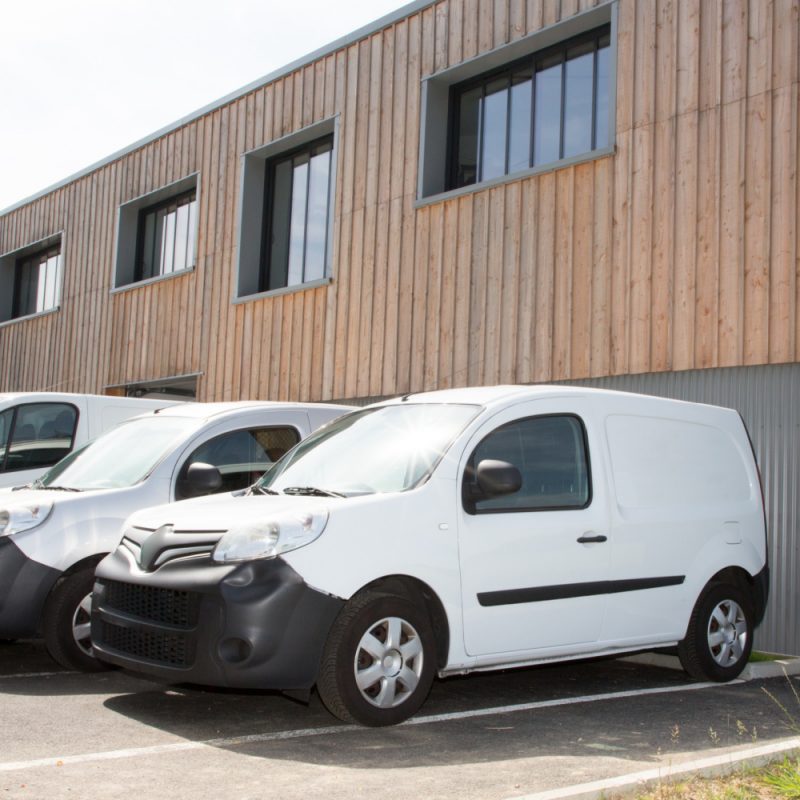
If vehicles are used for deliveries, service calls, transporting tools, or sales activity, commercial auto insurance in Cambridge protects the business against losses that personal auto coverage may not handle appropriately for business use.
If you want a simpler way to cover core risks, a small business insurance package can combine vital protections into one structure that is easier to maintain and renew.
Bonds support contract requirements by providing a financial guarantee tied to performance or obligation. If a Cambridge client requires bonding to award work, getting this in place early helps you compete and close deals faster. This can also come up for manufacturers bidding on larger supply agreements or contract work with strict compliance requirements.
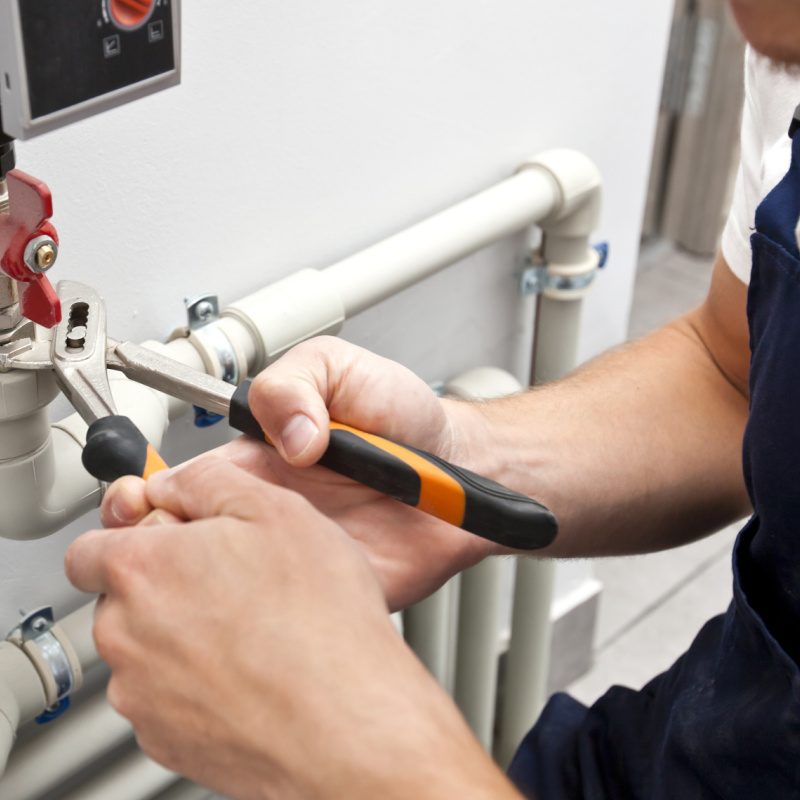
Mechanical and electrical failures can stop revenue fast. Equipment Breakdown coverage supports repair, replacement, and downtime related costs for covered equipment events. For manufacturers, it can be a key part of reducing downtime shock when a critical machine fails.
If your work involves environmental exposure, chemicals, fuel, or certain contractor operations, Pollution Liability helps address exposures that standard liability policies commonly exclude. Manufacturing operations may have higher pollution-related exposure depending on processes, storage, and waste handling.
If your goods move between locations, ship internationally, or travel through third party logistics networks, Ocean Marine coverage helps protect what is in transit. This is often relevant for Vancouver businesses importing, exporting, or moving inventory between warehouses, job sites, and customers. This is often relevant for Cambridge manufacturers and distributors moving inventory between suppliers, warehouses, plants, and customers.
In Cambridge, leases and vendor agreements often require proof of coverage before keys are handed over. We help you plan for required limits, additional insured wording, and certificate holder details early so your move in, build out, or onboarding process does not stall.
Many Cambridge businesses are asked to show proof of insurance during onboarding, especially when working as a vendor, subcontractor, or service provider. We help you translate contract language into a coverage plan that aligns with real requirements and avoids last minute surprises. This is especially common in manufacturing supply chains where vendor compliance and COIs can be required before work begins.
Cambridge has a mix of retail, service businesses, trades, and operationally complex businesses that rely on vehicles, equipment, and tight timelines. The goal is not to over insure. The goal is to build coverage that matches how you work, so you can take on projects confidently. That includes manufacturing businesses where production schedules, equipment uptime, and shipment deadlines are part of day-to-day risk.
When you work with us, you get an insurance broker in Cambridge, Ontario who helps you think through real day to day risks, contract requirements, and the fastest path to being properly covered. We ask the right questions, review what clients and landlords actually require, and turn that into a clear coverage plan you can use for quotes, Certificates of Insurance, and renewals.
The Problem: Production downtime, equipment dependence, product-related allegations, and contract-driven insurance requirements can create expensive interruptions, especially when shipments are delayed or a customer claim escalates.
Our solution: We help you build a practical manufacturing-focused plan by aligning CGL and product exposure to how goods are made and sold, pressure-testing property and equipment breakdown around your critical machines, and addressing contract requirements (COIs, limits, additional insured wording) so vendor onboarding and supply agreements don’t stall.
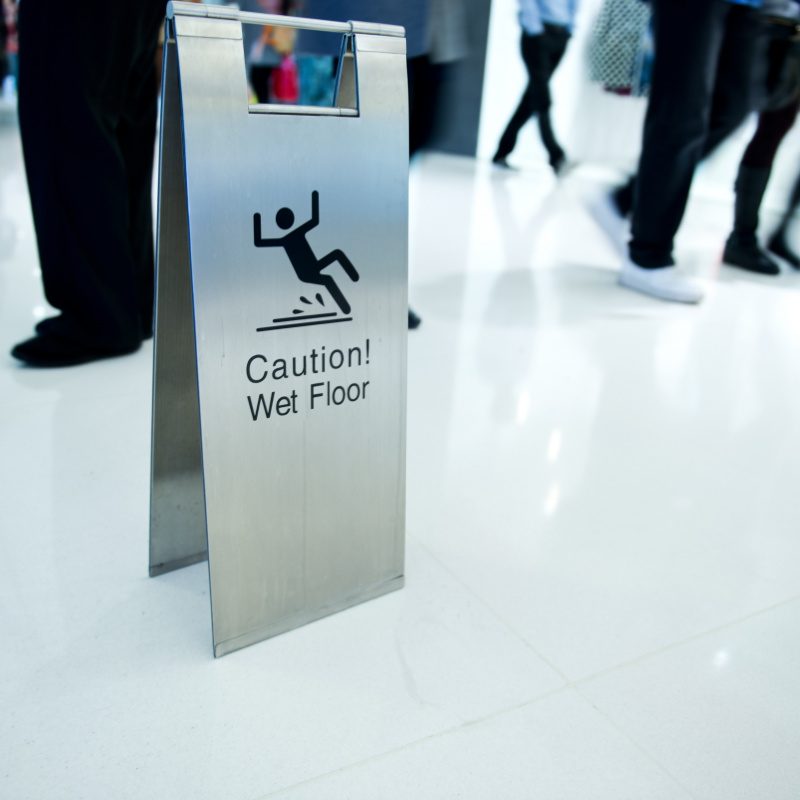
The Problem: Busy customer traffic raises the chance of slips, bumps, and small incidents, and shrink can quietly eat into margins.
Our solution: We help you set up a practical liability foundation for customer facing operations, then talk through how inventory and theft risks show up in your day to day. You get a plan that fits your store layout, staffing, and how you handle returns, cash, and high value items.
The Problem: One equipment issue can stop production, spoil ingredients, and derail a full day of sales.
Our solution: We map out what equipment keeps your doors open, what a shutdown would cost, and what you would need to recover quickly. Then we structure coverage to support a smoother restart and reduce the financial shock of downtime.
The Problem: Client expectations can shift mid project, and disagreements about scope, timelines, or decisions can turn into expensive disputes.
Our solution: We help you align insurance with the way you deliver services, including proposals, change orders, and subcontractor use. We also guide you on what contract language and documentation help reduce misunderstandings before they become a claim.
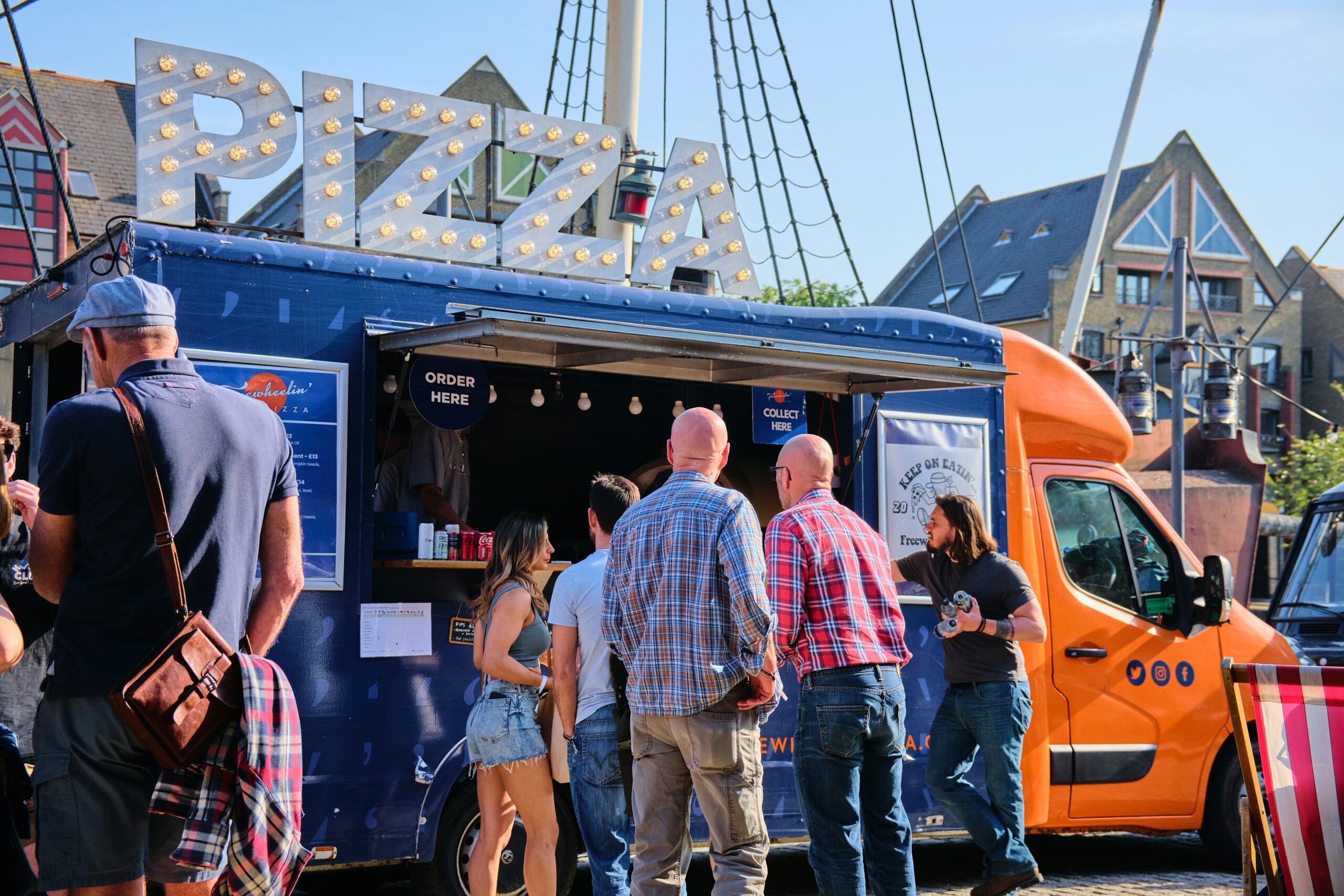
The Problem: Events pack a lot of risk into a short window, and deliveries add another layer of exposure.
Our solution: We build coverage around your real event workflow, set up, service, off site venues, and transport. We also help you stay ready for venue and client insurance requests so you are not scrambling right before an event.
The Problem: Tight spaces, high foot traffic, and constantly changing inventory can increase incidents and loss.
Our solution: We focus on keeping your liability coverage clean and straightforward, then talk through inventory handling, security routines, and how to reduce the most common sources of loss that show up in resale businesses.
The Problem: You run your business on the road, and a breakdown can end service in the middle of a shift.
Our solution: We help you build a plan that accounts for vehicle use, equipment dependence, and where you actually operate. You also get guidance on what details to keep on hand so claims and repairs move faster when time matters.
The Problem: Customer incidents, payment system exposure, and equipment downtime can hit operations fast.
Our solution: We help you prioritize coverage around your highest traffic points, your technology dependencies, and the equipment that keeps sales moving. We also help you avoid gaps that show up when operations change, like adding delivery, catering, or online ordering.
The Problem: Decisions can be challenged, and disputes can become time consuming and costly to defend.
Our solution: We tailor coverage around the professional work you do and the documentation you rely on. We also help you think through data handling and process controls so your insurance plan matches your actual workflow.
The Problem: Allergies, skin reactions, and service complaints can escalate quickly, even when you do everything right.
Our solution: We set up coverage that fits a customer facing service environment and talk through practical risk habits like intake forms, patch tests when relevant, product tracking, and incident documentation so you are better prepared if something goes wrong.
The Problem: Advice disputes, cyber exposure, and fraud attempts often target businesses that handle financial and client data.
Our solution: We help you build a layered plan that reflects your real exposures, then we help you strengthen the operational side too, like documentation, client communications, and safeguards that reduce the chance of a problem turning into a claim.
The Problem: Scope and expectations can blur, and performance related disputes can turn into claims about financial loss.
Our solution: We align coverage to the way you sell and deliver work, including retainers, statements of work, reporting, and subcontractor arrangements. We also help you tighten up the contract and documentation habits that reduce misunderstandings.
The Problem: Higher value inventory and product related allegations can create large, sudden losses.
Our solution: We help you protect the parts of the business that are hardest to replace, inventory, displays, and customer facing operations. We also talk through how deliveries, assembly, and returns affect your risk profile and coverage needs.
The Problem: Service allegations and sensitive client information create both professional and privacy risks.
Our solution: We structure coverage around the type of services you provide and how you store and share client information. We also guide you on the kinds of client forms and documentation practices that support you if a dispute arises.
The Problem: Errors and omissions exposure sits alongside fraud risks tied to payment instructions and client communications.
Our solution: We build coverage for the professional side of your work and help you think through common fraud scenarios, what controls you have, and what would make a claim easier to resolve if something happens.
The Problem: Higher foot traffic, more complex operations, equipment dependence, and sometimes deliveries create multiple risk points.
Our solution: We help you organize coverage around the realities of your operation, front of house risk, kitchen equipment reliance, and operational changes through the year. We also help you stay ready for landlord and vendor requirements so you can keep moving.
The Problem: When pets are in your care, even a minor incident can become a serious allegation.
Our solution: We structure coverage around how you handle pets, where services take place, and what your client agreements say. We also help you think through incident reporting, intake information, and service boundaries that reduce disputes.
The Problem: Reactions, dissatisfaction, and customer injury allegations can happen in any service business.
Our solution: We help you set up coverage that fits your service model, then we walk through practical risk steps like consent forms, product tracking, and how to document incidents so you are not starting from zero if a claim appears.
The Problem: You work on client property, and many clients require proof of insurance before onboarding.
Our solution: We build coverage around the environments you work in and help you stay ready for Certificates of Insurance and contract requirements. If you travel between sites, we factor that into the plan so your coverage matches your day to day schedule.
The Problem: Professional liability exposure, contract requirements, and project risk can be complex and highly specific.
Our solution: We break down your contracts and deliverables, then align coverage to the work you actually perform. We also help you plan for situations where bonding or specialty coverage is required so you do not lose opportunities due to paperwork delays.
The Problem: Clients depend on performance, uptime, and deliverables, and disputes can follow outages or missed expectations.
Our solution: We align coverage to your contract structure, service commitments, and data handling practices. We also help you think through how you scope projects and document changes so the insurance plan fits the reality of development work.
The Problem: Long hours, steady customer traffic, and theft exposure create consistent day to day risk.
Our solution: We help you set up a clean liability foundation for customer facing operations and talk through the kinds of loss scenarios that can hit convenience retailers. You get a plan that fits your operating hours, staffing, and security setup.
The Problem: Property damage exposure and vehicle use between sites can create costly incidents.
Our solution: We build coverage around the tools you use, where you work, and how crews move between locations. We also help you stay ready for contract requirements with commercial clients so you can start work without delays.
The Problem: Advice disputes and documentation challenges can arise if a valuation is questioned.
Our solution: We align coverage to the professional nature of your work and how you document decisions. If you use technology like drones for inspections, we factor that into the plan so your coverage reflects your real workflow.
The Problem: Job site incidents, property damage allegations, and contract requirements including bonding can be hard to juggle.
Our solution: We build coverage around how you operate on site, the types of projects you take on, and what contracts require. We also help you plan ahead for proof of insurance and bonding needs so projects do not stall at the paperwork stage.
The Problem: Participant injury exposure and instruction related allegations can happen even with waivers and strong practices.
Our solution: We structure coverage around how participants use your space, what instruction you provide, and the activities you offer. We also help you think through incident reporting and participant documentation so you are prepared if an issue arises.
Share your industry, services, where you work, and how you deliver your work in Cambridge.
Revenue, payroll, vehicle details, subcontractor use, and claims history.
Certificates of Insurance, additional insured requests, required limits, and any special clauses.
We review coverage scope, exclusions, deductibles, and fit for how you operate.
Once placed, you can streamline future COI requests and plan for renewal early.
You get a practical roadmap for what to buy first and what to add as your business grows.
We help translate insurance requirements into the right policy structure, limits, and wording.
Your coverage is designed around how you actually work, not generic assumptions.
When timelines are tight, you need brokers who are experts, that move fast and communicate clearly.
Commercial General Liability is typically the first policy to be put in place because it supports common third party claims and is often required for leases, client work, and vendor onboarding.
Many landlords request proof of insurance before handing over keys, and the paperwork often includes a Certificate of Insurance, additional insured wording, and tenant legal liability requirements.
Have your business activities, revenue, payroll, vehicle use, subcontractor details, and any contract insurance requirements ready, then request a quote so the broker can match your risk to the right market.
Business insurance is the umbrella term for insurance a business buys. In many small and mid sized cases, it refers to a bundled starter package like a Business Owner’s Policy (BOP), which commonly combines general liability, commercial property, and business interruption in one policy.
Commercial insurance is the broader industry category (commercial lines) that can include those same basics, plus more customized or specialized coverage. For example, larger or more complex operations may use a Commercial Package Policy that packages property and liability coverages for commercial ventures beyond what a BOP is designed for, and then add stand alone policies such as commercial auto, cyber, professional liability (E&O), surety and bonding, and other specialty coverages as needed.

It is often required by landlords, clients, and vendor contracts even when it is not mandated by law for your specific business type. It is also the most common foundation policy for day to day third party liability exposure.

A Certificate of Insurance is proof of coverage that landlords, clients, and vendors request. It typically includes policy types, limits, and additional insured details.
If you lease office, retail, or industrial space, your lease often requires tenant related coverage and proof of insurance before moving in.
If you provide advice, design, consulting, marketing, IT, accounting, engineering, or other professional services where a client could allege financial loss tied to your work, Professional Liability and E&O should be part of your plan. This can also apply to manufacturers when contracts include technical specifications, performance expectations, or advisory responsibilities.
No. Many small businesses use cloud tools, process payments, and store customer data. Cyber coverage can be valuable at any size when operations depend on systems and data.
Pricing varies by the value of your belongings, your deductible, and the building and location, but many sources describe tenant insurance as relatively affordable.
Absolutely! We can help you with the right commercial auto insurance coverage based on vehicle use and also explain how the structure works in Cambridge.
Start with contract requirements, then match limits to your operational exposure, customer traffic, job site activity, and worst case scenarios. Our expert insurance broker in Cambridge can help you align limits and deductibles to real risk and budget.
ALIGNED offers hundreds of instant and fully online insurance products while also specializing in traditional business insurance placement which on average takes 2-5 business days depending on complexity, size, information provided etc.
Business insurance needs to specifically align with the risks you face. Get advice, guidance and products that will protect what you’re building now.